Physical Address
304 North Cardinal St.
Dorchester Center, MA 02124
Physical Address
304 North Cardinal St.
Dorchester Center, MA 02124

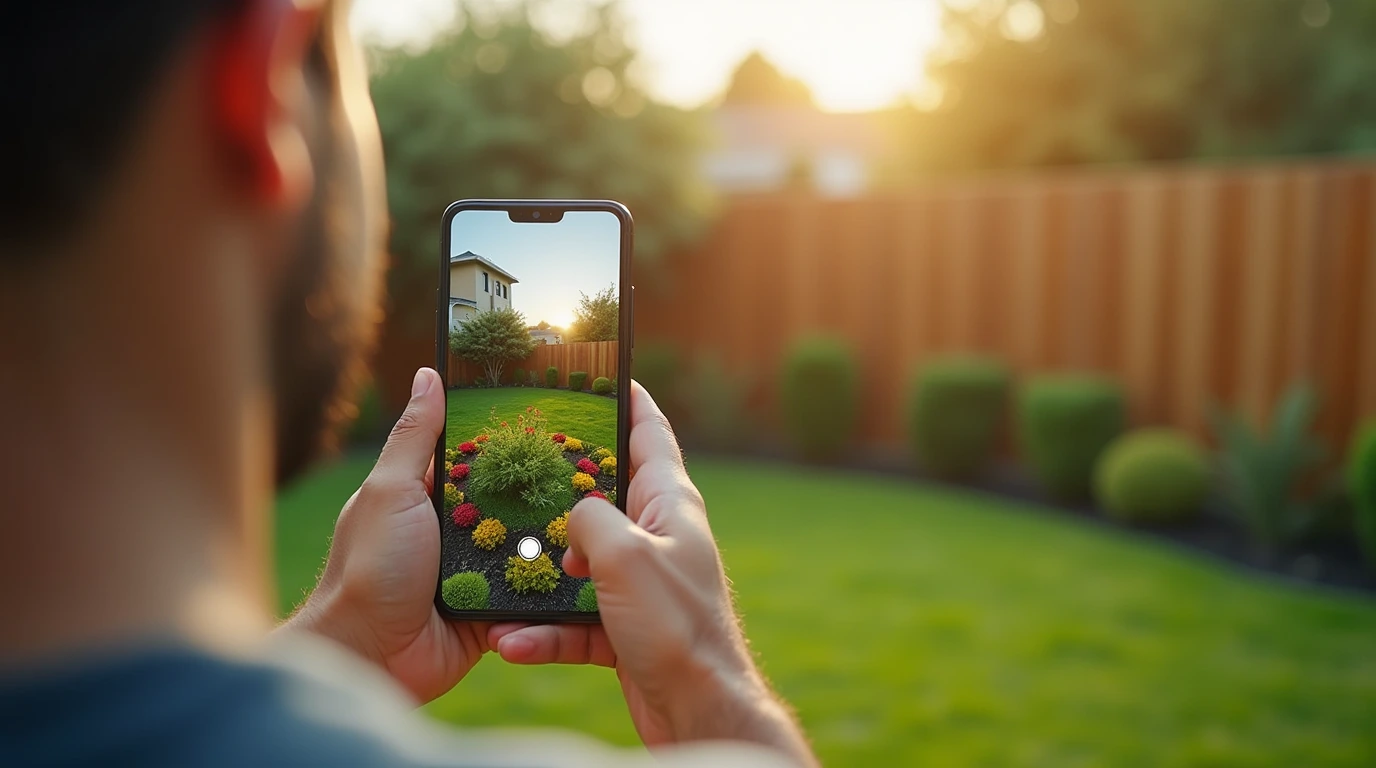
Discover how augmented reality plants let you visualize your garden before planting. Explore AR tools to design your perfect outdoor space.
Picture this: you step outside with your phone, point the camera toward your backyard, and suddenly your empty patch of soil becomes a thriving landscape. Lavender borders frame the walkway. A young citrus tree stands proudly in the corner. Climbing roses soften the fence. You haven’t planted anything yet, but you can already see it.
That’s the power of augmented reality plants. Instead of guessing how your garden will look months or years from now, you can preview it instantly. You can test ideas, fix mistakes before they happen, and design with confidence.
If you’ve ever bought a plant that outgrew its space, clashed with your color scheme, or struggled in the wrong location, this technology may completely change how you garden.
Let’s explore how augmented reality plants work, and how they can transform your garden from uncertain to intentional.
At its core, augmented reality (AR) overlays digital objects onto your real-world environment. When applied to gardening, augmented reality plants are realistic 3D plant models that appear in your actual garden space through your smartphone, tablet, or AR glasses.
Instead of imagining what a tree might look like in five years, you can:
Unlike virtual reality, which immerses you in a fully digital world, AR enhances your existing space. You still see your soil, fence, patio, and sunlight, but now layered with digital plants that help you plan smarter.
This blend of physical and digital design allows you to experiment freely before spending money or time on real planting.
Before diving deeper into smart gardening technology, consider why traditional garden planning can be frustrating.
You may struggle with:
Even experienced gardeners make costly mistakes. A tree planted too close to a wall can damage foundations. Shrubs placed without considering airflow may develop disease. Overcrowding leads to competition for nutrients.
Augmented reality plants remove much of that guesswork. Instead of relying solely on imagination or flat paper sketches, you see your garden evolve before your eyes.
When you use augmented reality plants for garden planning, you shift from reactive gardening to proactive design.
Here’s how it changes the process.
One of the most common planting mistakes is underestimating how large plants will grow. That compact ornamental tree may look harmless today, but in five years, it could block sunlight or dominate the space.
With AR, you can:
You design for the future, not just the present.
Traditionally, experimenting means digging, replanting, or wasting money on species that don’t fit your design. With augmented reality plants, experimentation is digital and instant.
You can:
There’s no buyer’s regret because you test before purchasing.
A garden that looks vibrant in spring may appear dull in autumn. Planning for year-round interest requires experience and foresight.
Many AR garden tools allow you to:
This ensures your garden never feels empty during off-seasons.
Sun exposure determines plant survival. Too much shade can stunt growth. Too much sun can scorch delicate species.
Some advanced AR gardening tools integrate:
This helps you position plants exactly where they will thrive, not just where they look good.
When you adopt augmented reality plants, the benefits go beyond aesthetics.
Every gardener knows the cost of trial and error. Replacing dead plants, relocating shrubs, or redesigning layouts adds up quickly.
AR reduces unnecessary purchases by helping you:
You invest once, with clarity.
Creativity often gets limited by the fear of making mistakes. When changes require labor and expense, you may play it safe.
With AR, your creativity expands because experimentation feels safe.
You can:
Your imagination becomes your primary tool.
Sustainable gardening isn’t just about using less water. It’s about planting responsibly.
Augmented reality plants can guide you toward:
By planning digitally, you reduce the environmental impact of mistakes.
Landscaping significantly affects curb appeal. A well-designed garden can enhance your home’s market value.
When you design strategically with AR:
Buyers respond to thoughtful landscaping. And thoughtful design begins before planting.
If you’re new to gardening, augmented reality plants can feel like a personal mentor in your pocket.
You don’t need advanced landscaping knowledge. Beginner-friendly apps often include:
Instead of learning through repeated mistakes, you learn visually and interactively.
You gain confidence quickly because you can see outcomes before committing.
For professionals, AR becomes a powerful presentation and planning tool.
Imagine showing your client their redesigned garden in real time, standing directly in their yard.
Professionals can:
This improves efficiency, enhances trust, and streamlines project approval.
If you’re ready to experiment, getting started is surprisingly simple.
Look for features like:
Start with a free version if available, then upgrade as needed.
Use your phone camera to map your yard. Walk slowly and capture:
Accurate scanning ensures realistic placement.
Select a plant and position it within your space. Adjust:
Zoom in and walk around it to test perspective.
Don’t settle on the first design. Save different versions.
You might create:
Seeing variations side by side helps you choose wisely.
Once satisfied, translate your digital design into reality. Measure accurately and plant according to your preview plan.
Your risk is lower. Your clarity is higher.
This technology is evolving rapidly. Soon, augmented reality plants may integrate with:
Imagine receiving alerts suggesting better placement for optimal growth, or seeing projected plant health based on soil data.
Gardening is becoming more data-informed without losing its organic beauty.
While AR enhances planning, it’s not foolproof.
Avoid these common pitfalls:
Digital design supports decisions, but real-world gardening still requires practical awareness.
Use AR as a guide, not a replacement for horticultural fundamentals.