Physical Address
304 North Cardinal St.
Dorchester Center, MA 02124
Physical Address
304 North Cardinal St.
Dorchester Center, MA 02124

Learn how augmented reality vein finder technology enhances vein visualization and improves accuracy in medical procedures using AR.
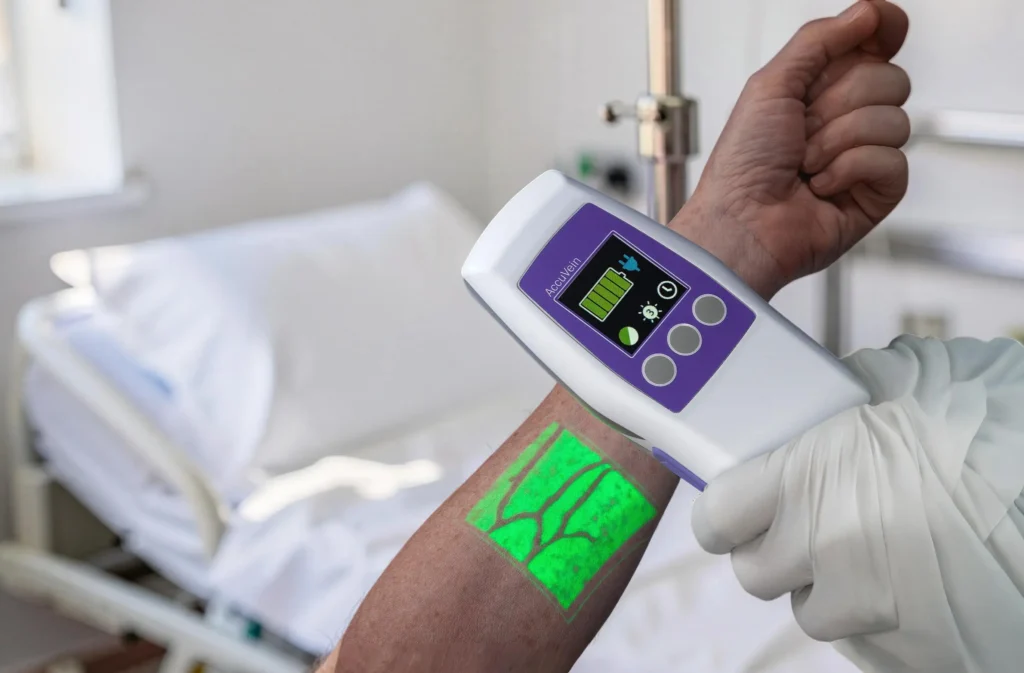
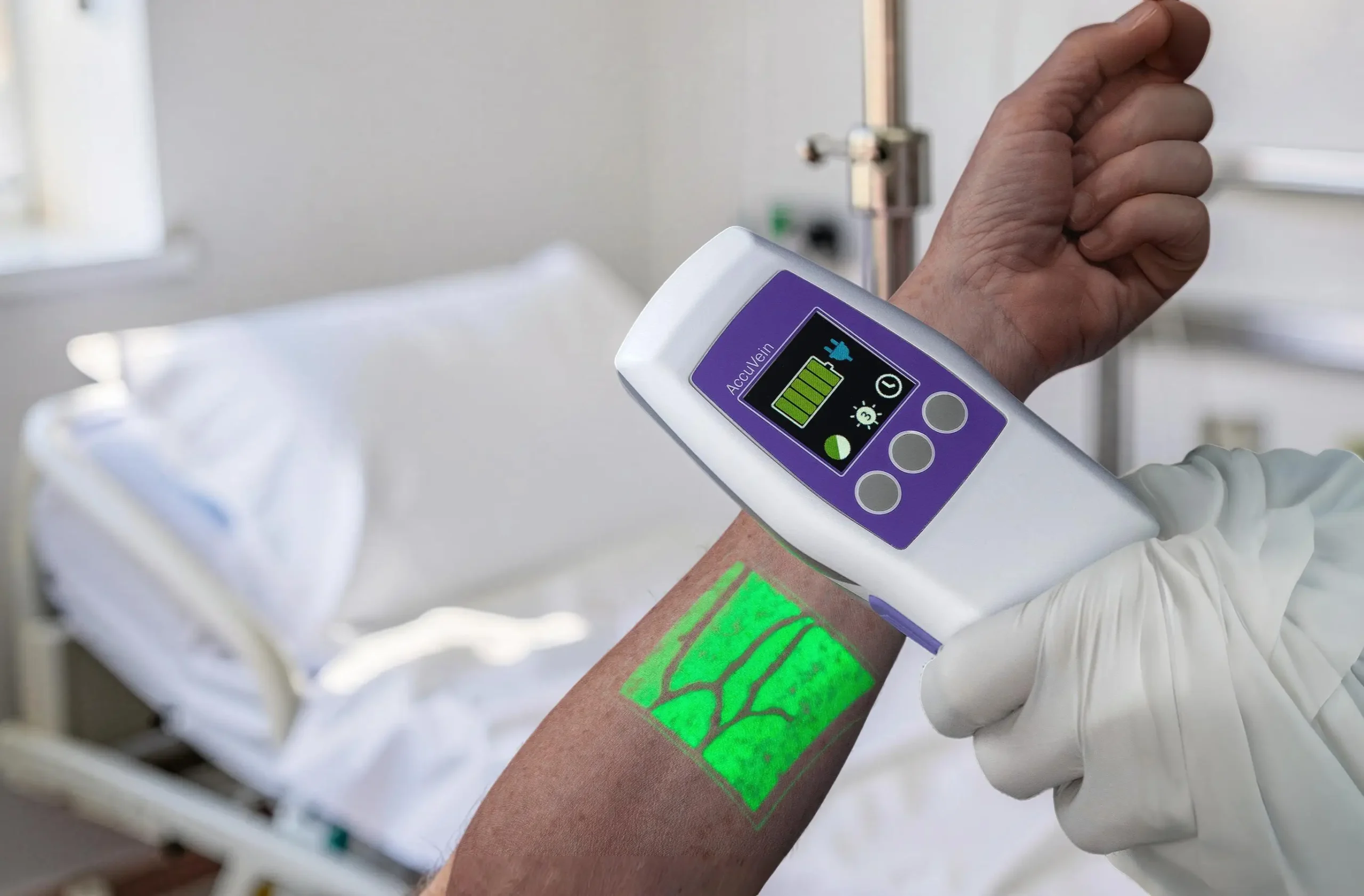
An augmented reality vein finder is a medical device that uses light-based imaging and real-time projection to display a map of your veins directly on your skin. Instead of relying solely on sight and touch, healthcare professionals can visualize vein patterns before inserting a needle.
Unlike older vein visualization systems that required looking at a separate screen, modern devices project the image onto the exact location of your arm or hand. This direct overlay improves spatial awareness and accuracy.
Companies such as AccuVein and VeinViewer have played a major role in developing and refining these tools. Their systems are now used worldwide in hospitals, emergency departments, and specialty clinics.
To understand how it improves accuracy, you need to know what powers it:
Together, these components allow clinicians to see veins that might otherwise be invisible to the naked eye.
The magic isn’t magic at all; it’s physics and digital processing working in sync.
When near-infrared light is directed at your skin, it penetrates the surface layer. Hemoglobin in your blood absorbs this light, while surrounding tissue reflects it. The result? Veins appear darker than the surrounding area.
This difference in absorption creates a clear contrast that can be captured by specialized sensors.
The device doesn’t just capture a raw image. It processes that information instantly. Sophisticated algorithms:
Some newer systems incorporate AI-driven enhancements, improving pattern recognition and adapting to challenging conditions.
The processed vein image is projected back onto your skin in real time. That means the clinician doesn’t need to shift their gaze to another monitor. What they see is exactly where your veins are located.
This direct overlay eliminates guesswork and improves hand–eye coordination, which significantly increases first-attempt success rates.
You might think a missed IV attempt is a minor inconvenience. In reality, it has broader implications.
Certain patients are more likely to experience difficulty with vein access, including:
If you fall into one of these categories, traditional methods—visual inspection and palpation—may not be enough.
Repeated needle sticks can lead to:
From a healthcare system perspective, failed attempts increase procedure time and cost. From your perspective, they erode trust and comfort.
An augmented reality vein finder directly addresses these problems by improving precision from the start.
When healthcare providers use augmented reality vein finder technology, they experience tangible improvements.
One of the most significant advantages is higher first-stick success. Studies in clinical settings have shown notable improvements, especially among DIVA patients.
When veins are clearly visualized:
The result is fewer repeat attempts.
If you’ve ever felt your heart race before a blood draw, you know anxiety can amplify discomfort. Knowing that your clinician is using advanced visualization tools can provide reassurance.
Fewer needle sticks mean:
This is particularly impactful in pediatric settings, where fear of needles can affect long-term attitudes toward healthcare.
When IV insertion takes less time, everyone benefits.
In fast-paced environments like emergency departments:
Efficiency also reduces burnout among healthcare providers, which indirectly enhances the quality of your care.
For patients undergoing chemotherapy or long-term treatment, preserving vein health is critical. Repeated failed attempts can damage veins over time.
Augmented reality vein finder systems help:
If you require frequent venipuncture, this technology can significantly improve your experience.
Augmented reality vein finder devices are not limited to one specialty.
In emergency care, time is critical. Rapid IV access can mean the difference between timely intervention and dangerous delay.
These devices help clinicians:
Children often have smaller, less visible veins. Anxiety can also cause vasoconstriction, making veins harder to locate.
By visualizing veins clearly:
Patients receiving chemotherapy often have compromised veins. Accuracy is essential to avoid unnecessary trauma.
An augmented reality vein finder helps clinicians select the healthiest available vein, reducing cumulative damage.
As care shifts beyond hospital walls, portable vein finders are becoming more common in home settings. Mobile healthcare providers can now offer hospital-level visualization tools wherever they are.
To appreciate the improvement, it helps to compare approaches.
Traditionally, clinicians rely on:
While experienced professionals can achieve high success rates, this method depends heavily on skill and patient anatomy.
Ultrasound provides deep imaging and is highly effective for complex cases. However:
For many routine IV placements, ultrasound may be more than necessary.
Augmented reality vein finder systems offer:
They bridge the gap between simple inspection and advanced imaging, making them ideal for routine and moderately difficult cases.
AI is steadily enhancing the performance of medical imaging tools.
Modern augmented reality vein finder systems may include algorithms that:
This reduces variability and improves consistency.
With ongoing data collection and software updates, these devices can improve over time. Machine learning may allow future systems to:
As AI evolves, so will vein visualization accuracy.
While the technology is promising, you should understand its boundaries.
Augmented reality vein finder devices are:
They do not penetrate the skin or introduce any internal risk.
No device is perfect. Limitations may include:
However, in most routine and moderately difficult cases, they offer meaningful advantages.
Reputable devices meet regulatory requirements such as FDA clearance or CE marking, ensuring they comply with safety and performance standards.
Healthcare innovation rarely stands still.
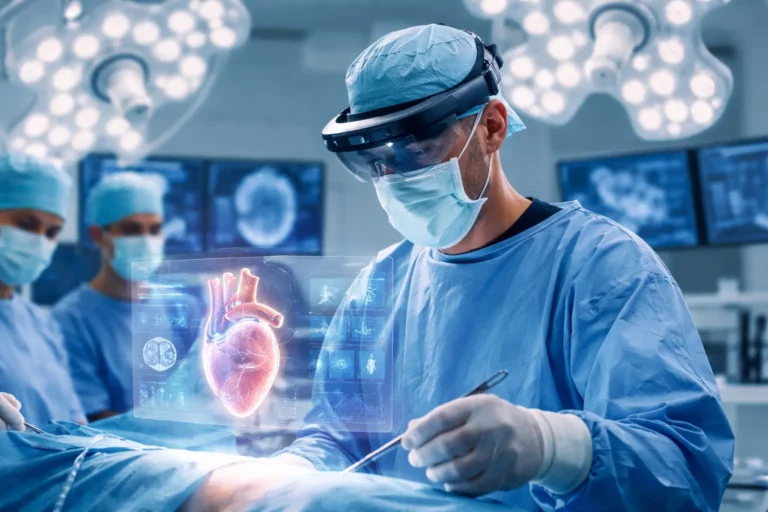
Future systems may integrate with smart glasses, allowing clinicians to see vein maps hands-free while maintaining sterility.
Imagine remote guidance, where an expert can assist a clinician in another location by viewing and advising in real time. Augmented reality could support this model.
Advanced systems may soon analyze and rank veins based on size, depth, and accessibility, guiding clinicians to the optimal choice instantly.
As these advancements unfold, you can expect vein detection accuracy to continue improving.
An augmented reality vein finder uses near-infrared light to detect veins beneath your skin. It processes the captured image and projects a real-time vein map directly onto your skin, guiding the clinician during needle insertion.
Yes, clinical studies show improved first-attempt success rates, particularly in patients with difficult IV access. By visualizing veins clearly, clinicians can make more informed decisions and reduce guesswork.
Absolutely. The technology is non-invasive and uses safe levels of light. It is commonly used in pediatric settings to reduce repeated needle sticks and ease anxiety.
Not entirely. Ultrasound remains valuable for deep or highly complex cases. However, for routine IV insertions and moderately difficult veins, an augmented reality vein finder provides a faster and simpler solution.
Costs vary depending on the model and features. While the upfront investment may seem significant, many healthcare facilities find that improved efficiency and reduced complications deliver long-term value.