Physical Address
304 North Cardinal St.
Dorchester Center, MA 02124
Physical Address
304 North Cardinal St.
Dorchester Center, MA 02124
Discover how augmented reality weather apps let you see forecasts in a whole new way with interactive AR features.
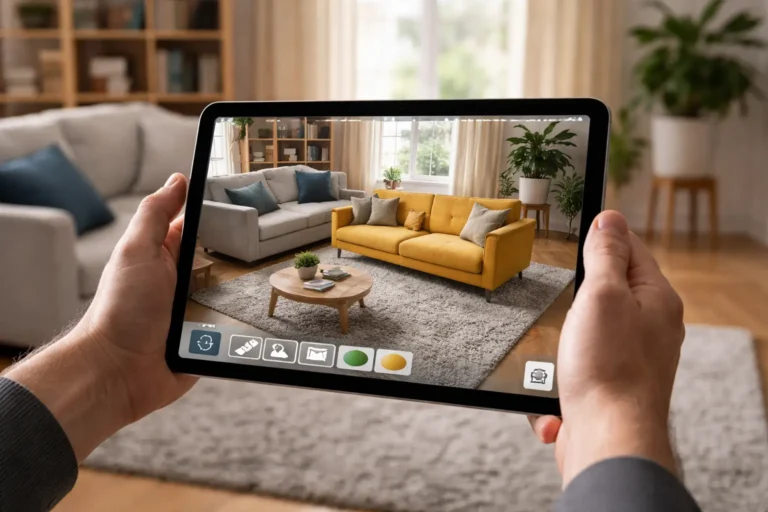
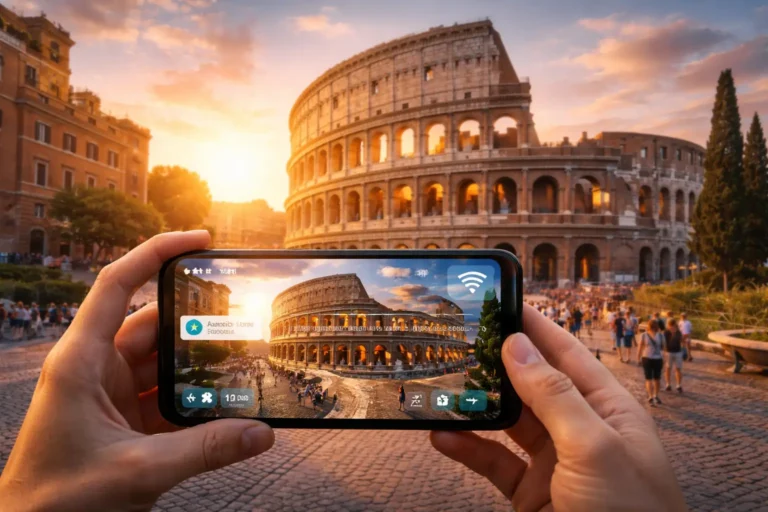
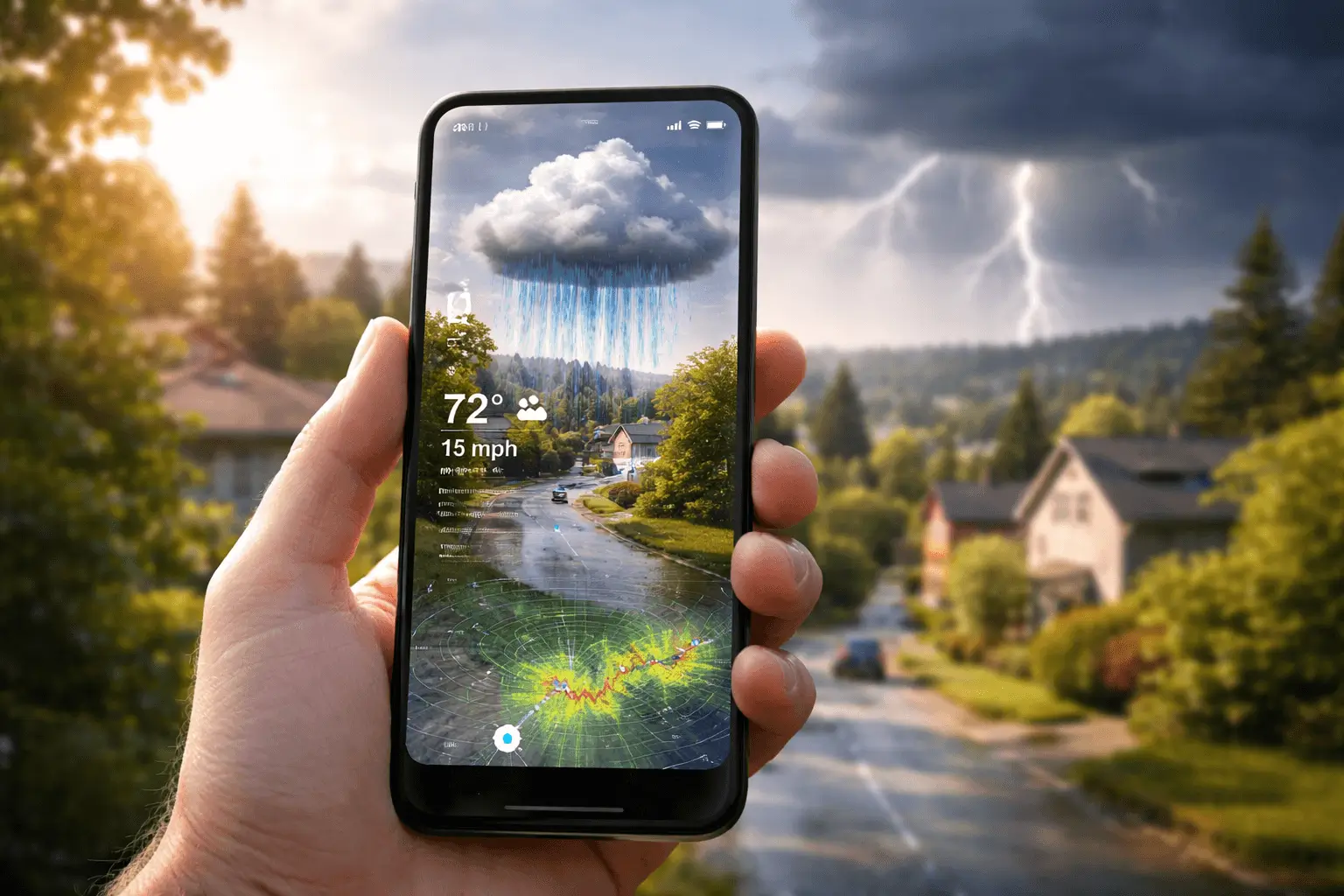
An augmented reality weather app uses your phone’s camera to overlay live weather information onto the world around you. Instead of reading flat symbols or color-coded maps, you see data positioned within your real environment.
For example, you might:
These visual elements are powered by AR frameworks from major platforms like ARKit and ARCore, which help apps map weather data onto real-world surfaces. The meteorological information itself typically comes from reliable sources such as the National Weather Service or equivalent services around the globe.
In essence, the core forecast isn’t new; the presentation is.
From your perspective, using an augmented reality weather app is straightforward:
Technically, the app combines:
This workflow lets you move beyond static charts and into engaging, real-world representations of weather conditions.
An augmented reality weather app won’t change what happens in the sky, but it can change how clearly you understand it. Here are some practical benefits:
When you can visually interpret rain or wind approaching your location, decisions become easier:
Seeing weather elements in your environment helps reduce guesswork.
During storms or extreme events, clarity is key:
While you should still follow official alerts and warnings, AR visualization makes them easier to interpret.
If you’re curious about weather patterns or want to learn more intuitively:
For teachers or learners, these visuals can be more engaging than traditional charts.
Most weather apps focus on numbers and flat maps. Augmented reality weather apps focus on context and placement.
Here’s a comparison:
Traditional Weather Apps:
Augmented Reality Weather Apps:
The underlying forecast data may be the same, but the way it’s presented changes how quickly and clearly you interpret the information.
Augmented reality weather apps are useful, but they have practical limits:
Keeping your camera active and rendering AR graphics can use more battery than standard weather apps. Older or low-end phones may lag or heat up during prolonged use.
These apps rely on third-party weather sources. If radar updates lag or data isn’t refreshed quickly, the AR overlay will reflect those delays. That’s not an AR issue — it’s a data issue.
AR features require specific hardware capabilities. Not all phones support advanced AR functionality, so your experience may vary by device.
You may appreciate these apps more if you:
If you only check the temperature quickly before heading out, traditional apps may suffice. But if you want clearer context and engagement, AR can help.
What is an augmented reality weather app?
It’s a weather app that overlays live weather data onto your real environment using your phone’s camera for a more contextualized view.
Are AR weather apps more accurate than regular weather apps?
No. They typically use the same forecast data. What’s different is how the data is presented — visually overlaid in your surroundings.
Do I need special hardware to use these apps?
Generally, you need a smartphone that supports AR features. No additional devices are required, though newer hardware often performs better.
Can augmented reality weather apps help during severe storms?
They can help you interpret storm direction and movement more clearly. However, you should still rely on official severe weather alerts from local authorities.
Augmented reality weather apps are not just a novelty. They’re another step toward making weather data easier to understand in real life. They don’t make forecasts more accurate, but they do make them easier to interpret quickly.
If you value clearer visual context and want to see weather as it relates to your own environment, trying one of the AR weather apps could be worthwhile.
Explore a couple, compare their features, and see how they fit your daily routine. Better decision-making starts with clearer insight, and these apps are designed to bring that insight into your world.