Physical Address
304 North Cardinal St.
Dorchester Center, MA 02124
Physical Address
304 North Cardinal St.
Dorchester Center, MA 02124

Learn what Ark Augmented Reality is, how it works, its key features, real-world uses, and why it could shape the future of immersive digital interaction.
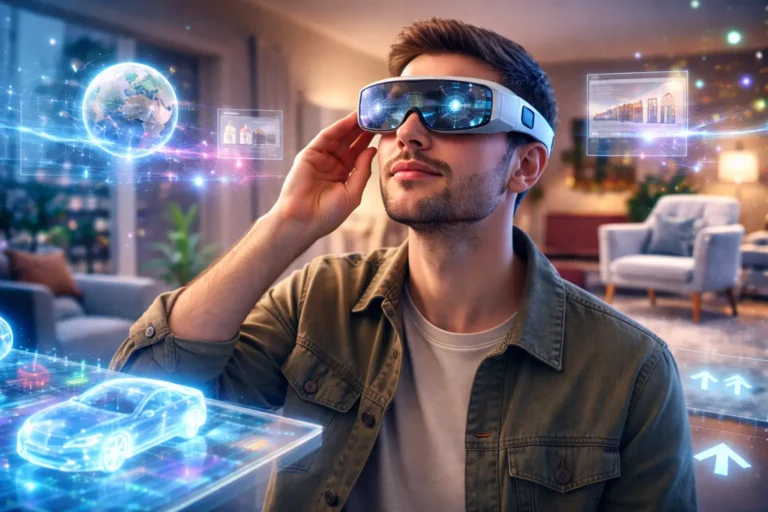
At its core, Ark augmented reality is an advanced AR ecosystem designed to blend digital content seamlessly into your physical surroundings. Unlike early augmented reality apps that simply place a 3D object on your screen, ark augmented reality focuses on spatial intelligence, persistent digital environments, and interactive experiences that respond to real-world context.
In simple terms:
Instead of temporary overlays, ark augmented reality builds a living digital layer on top of your physical world.
Traditional AR:
Ark augmented reality:
This shift moves AR from novelty to infrastructure.
To understand ARK augmented reality, you need to look at the technologies powering it. When you use an AR platform, multiple systems operate at once, and ARK augmented reality builds on all of them.
SLAM (Simultaneous Localization and Mapping) allows your device to:
This means your digital object doesn’t drift or float awkwardly. It stays locked into the real world.
Computer vision enables:
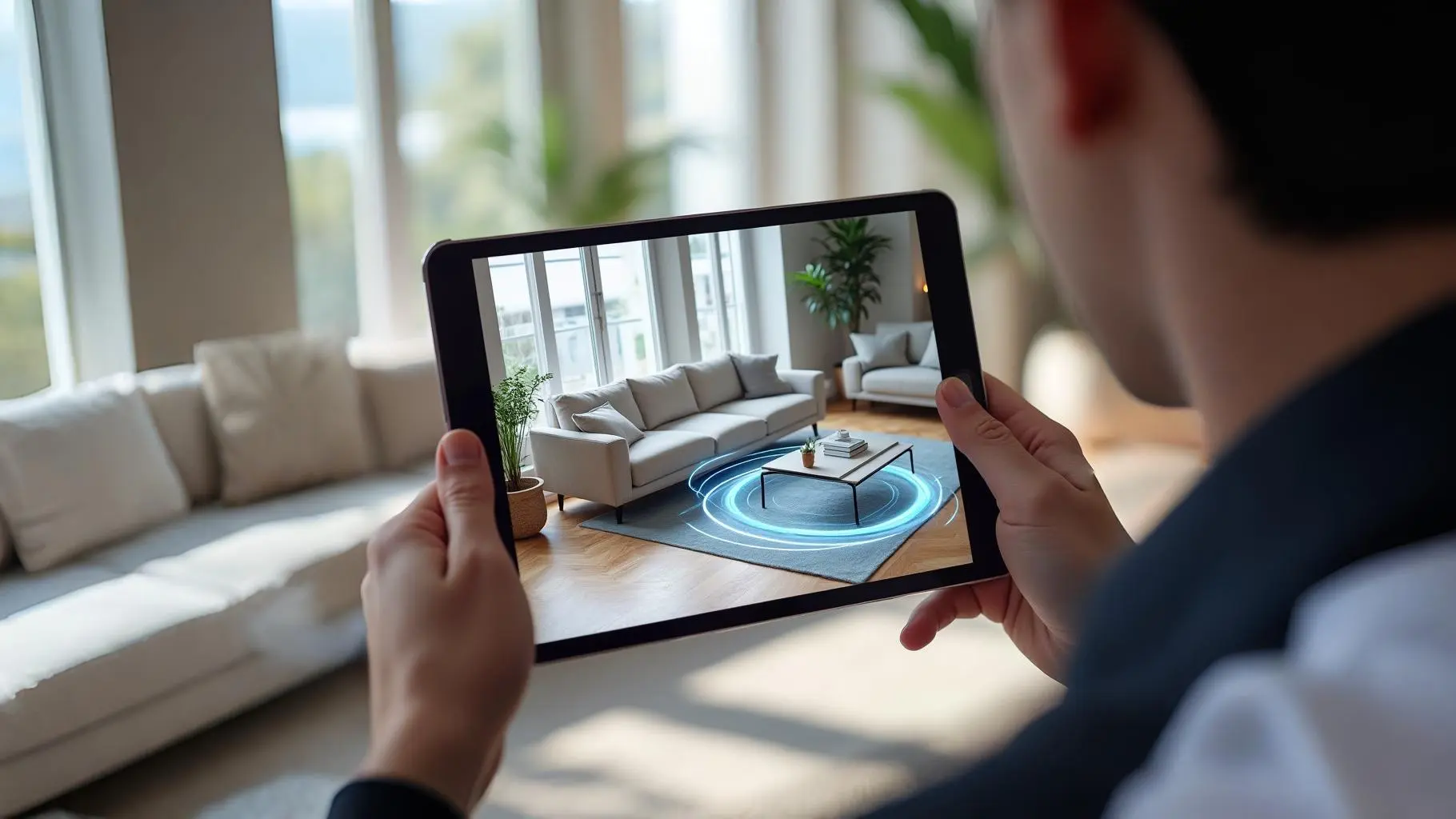
If you place a digital chair in your living room, ARK augmented reality understands where the floor is, how light behaves, and where walls are positioned.
Artificial intelligence enhances personalization and responsiveness. With AI, ark augmented reality can:
For example, retail AR applications can suggest products based on your environment and behavior.
Ark augmented reality is designed to function across different devices, including:
This cross-device compatibility expands accessibility and scalability.
When evaluating ark augmented reality, you should focus on the capabilities that matter most to users and businesses.
Ark augmented reality doesn’t just place objects randomly. It calculates:
This produces realistic interactions between digital and physical elements.
Digital content remains anchored over time. If you leave the room and return later, the object stays in the same position.
This opens the door to:
Shared AR sessions allow multiple users to interact with the same digital environment simultaneously.
Use cases include:
Ark augmented reality learns from user interaction patterns and adapts accordingly.
You get:
Cloud support enables:
This reduces processing load on individual hardware devices.
You might be wondering: where does ark augmented reality actually make an impact?
Let’s explore key sectors.
Gaming is often the first proving ground for immersive technologies.
Ark augmented reality enhances:
You’re not just playing a game, you’re stepping inside one.
Imagine learning anatomy with a life-sized 3D heart hovering in front of you. Or practicing mechanical repairs with step-by-step AR overlays.
Ark augmented reality supports:
Studies show immersive learning increases retention compared to passive reading or video instruction.
If you shop online, you’ve likely struggled to visualize how something will look in your space.
Ark augmented reality allows:
You make more confident purchasing decisions, and businesses see higher conversion rates.
In medical settings, AR can overlay digital guidance directly into a surgeon’s field of vision.
Potential applications include:
Devices like Microsoft HoloLens 2 are already used in some clinical environments.
Ark augmented reality allows clients to:
This reduces costly design revisions and improves communication between stakeholders.
In industrial environments, ark augmented reality supports:
This reduces downtime and improves operational efficiency.
If you’re considering adoption, here’s what you gain.
Interactive AR experiences hold attention longer than static media.
When you see products or designs at full scale in your environment, you make more informed choices.
Early adoption positions you as an innovator in your industry.
No technology is without obstacles.
High-end AR headsets remain expensive.
Advanced AR requires:
Spatial mapping collects environmental data. That raises questions about:
As a user, you should review privacy policies carefully before adopting any ark augmented reality platform.
The trajectory of ark augmented reality aligns with broader spatial computing trends.
Companies like Meta Platforms, Apple Inc., and Google are heavily investing in immersive ecosystems.
Over the next 5–10 years, you can expect:
Ark augmented reality is likely to become part of daily life rather than a specialized tool.
When evaluating platforms, you should consider:
Ark augmented reality stands out if it emphasizes spatial persistence, AI integration, and cross-device synchronization.
While tools like ARKit and ARCore provide foundational frameworks, ark augmented reality aims to build a broader ecosystem layer on top.
Security depends on implementation, but generally you should look for:
Spatial data can reveal layout details about private environments. Responsible providers minimize data retention and protect user privacy.
Ark augmented reality is an advanced AR ecosystem that blends digital content into your real-world environment using spatial mapping, AI, and interactive overlays.
It combines computer vision, SLAM mapping, artificial intelligence, and cloud computing to anchor digital objects realistically into your surroundings.
Devices may include AR headsets like Apple Vision Pro, enterprise systems such as Microsoft HoloLens 2, and compatible smartphones using ARKit or ARCore.
No. While gaming is a strong use case, ark augmented reality also supports healthcare, retail, education, architecture, and enterprise operations.
The future of ark augmented reality includes AI-driven spatial computing, lightweight AR wearables, and persistent digital environments integrated into everyday life.