Physical Address
304 North Cardinal St.
Dorchester Center, MA 02124
Physical Address
304 North Cardinal St.
Dorchester Center, MA 02124

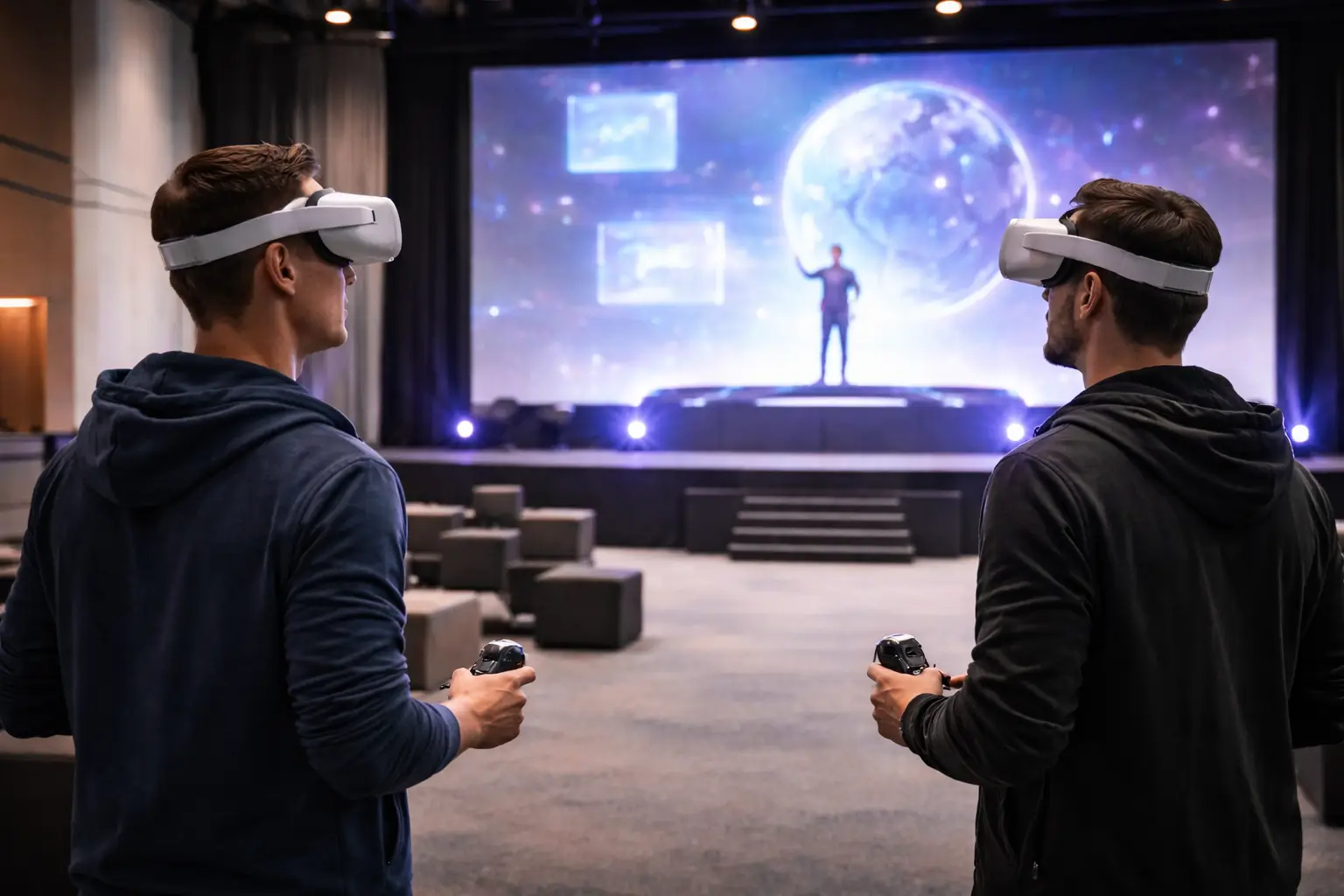
Discover how virtual reality events work, their benefits, costs, and how you can host immersive VR experiences that boost engagement.
You probably remember the last event that truly energized you. Maybe it was a buzzing conference hall, a live concert with thousands singing in sync, or a product launch where the anticipation was almost tangible. Now imagine recreating that energy without airports, hotel bookings, or physical limits.
That’s exactly what virtual reality events are making possible.
Instead of watching a livestream passively, you step inside a three-dimensional environment. You move through digital spaces. You speak to other attendees. You interact with booths, stages, and experiences as if you were physically present. If you’re exploring new ways to engage audiences, grow your brand, or host unforgettable experiences, virtual reality events deserve your attention.
Let’s break down how they work, why they matter, and how you can use them effectively.
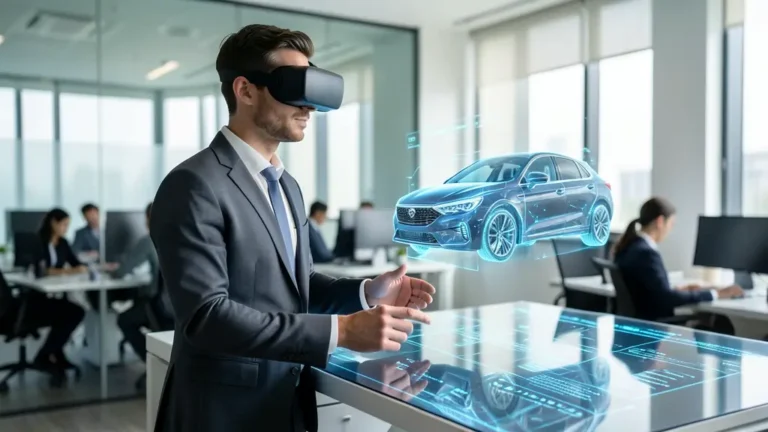
Virtual reality events are immersive gatherings hosted inside 3D digital environments. Rather than joining through a flat video screen, you enter a simulated venue using a VR headset or a desktop device. Inside, you’re represented by an avatar, allowing you to walk, talk, network, and participate in real time.
With devices like the Meta Quest 3, attendees can fully immerse themselves in interactive auditoriums, exhibition halls, networking lounges, and even outdoor fantasy landscapes designed specifically for the event.
At their core, virtual reality events rely on:
When you attend, you don’t just watch content. You experience it. You turn your head and see who’s next to you. You walk toward a booth and start a conversation. You raise your virtual hand during a keynote.
That sense of presence is what sets virtual reality events apart from traditional webinars or livestreams.
If you organize events, you already know the logistical complexity involved: venue contracts, catering, travel, staffing, and equipment. Virtual reality events remove many of those constraints while adding new creative possibilities.
When you host virtual reality events, you eliminate geographical barriers. Attendees can join from any country without worrying about:
You instantly expand your audience reach. Instead of limiting participation to those who can physically attend, you open the door to global communities.
Physical events often require significant upfront investment. With virtual reality events, you can reduce or eliminate:
While you’ll invest in platform development and design, digital environments are scalable. You can host thousands of attendees without dramatically increasing overhead.
Sustainability is no longer optional for many organizations. Virtual reality events significantly reduce carbon emissions by cutting out travel and physical production.
If your brand emphasizes ESG commitments, hosting virtual events strengthens your sustainability positioning while maintaining audience engagement.
Virtual reality events are not limited to one format. Depending on your goals, you can design experiences tailored to your audience.
Imagine stepping into a 3D auditorium filled with avatars from around the world. Speakers present on a digital stage. Slides float in space. Attendees move into breakout rooms for deeper discussions.
Platforms such as Engage XR and VRChat support large-scale immersive conferences with interactive features.
In a VR conference, you can include:
Trade shows translate exceptionally well into immersive environments. Instead of physical booths, brands create digital spaces where visitors can:
Unlike physical expos, your booth can transform in real time, display animated visuals, or transport visitors into a simulated product experience.
Entertainment has already embraced virtual reality events. Massive audiences have attended concerts inside games like Fortnite, proving that immersive digital gatherings can attract millions.
In VR entertainment events, you can offer:
You’re not limited by stage size or physics. Your concert can take place in space, underwater, or inside a futuristic city.
For businesses, virtual reality events serve multiple internal purposes:
Because participants feel present, retention and engagement rates often outperform traditional online meetings.
To host successful virtual reality events, you need to understand the foundational technologies that power them.
The level of immersion depends heavily on hardware. Standalone headsets provide convenience, while PC-powered devices offer higher graphical fidelity.
Key components include:
Not all attendees will own headsets, so many platforms offer desktop or mobile access to increase accessibility.
Behind every virtual reality event is a platform that handles:
When selecting a platform, prioritize scalability and reliability. Lag, glitches, or crashes can undermine the immersive experience.
Modern virtual reality events often incorporate AI-powered features:
As an organizer, you gain valuable behavioral data that physical events struggle to capture accurately.
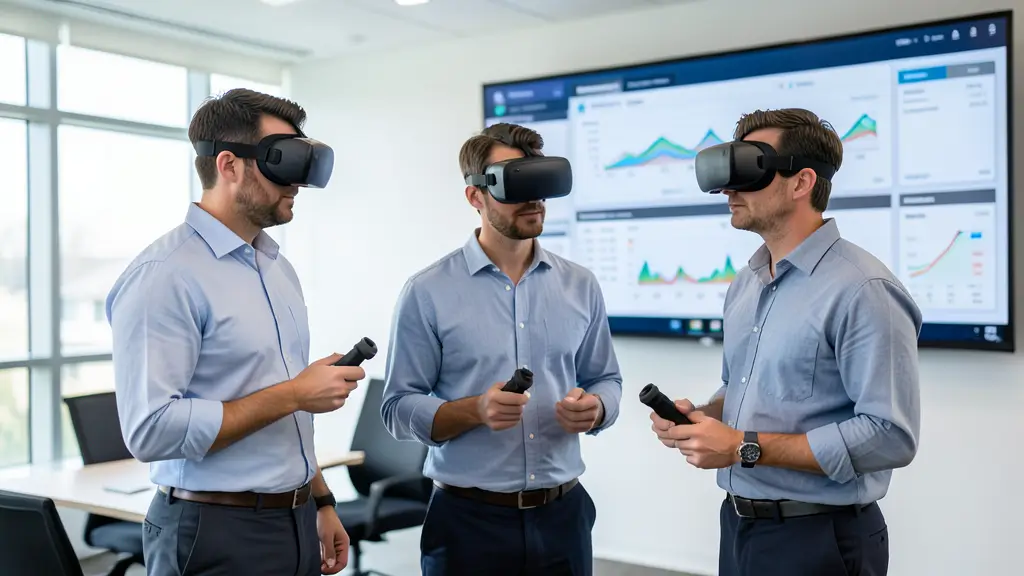
If you’re evaluating whether to invest in virtual reality events, focus on measurable advantages.
Traditional online events often suffer from passive participation. In VR, attendees actively move and interact. You can incorporate:
When people feel present, they stay longer and engage more deeply.
Virtual reality events provide detailed analytics, including:
This data helps you refine future strategies and demonstrate ROI clearly.
When you host immersive experiences, your brand positions itself as forward-thinking and innovative. Instead of another generic webinar, you deliver a memorable digital journey.
That distinction can elevate your authority within competitive markets.
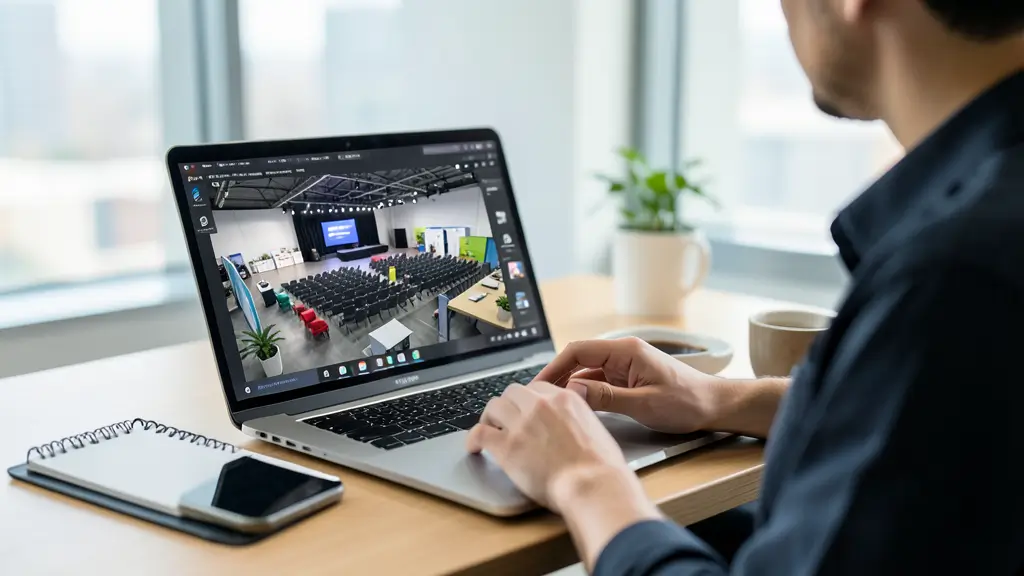
Planning virtual reality events requires a clear strategy. Here’s a structured approach you can follow.
Before selecting a platform, clarify your goals. Ask yourself:
Clear objectives shape the entire experience.
Evaluate platforms based on:
Request demos and test environments before committing.
Immersion is everything. Focus on:
Think beyond replicating a physical venue. Virtual environments allow creativity without physical constraints.
Even the most advanced virtual reality events need strong promotion.
Use:
Highlight the immersive aspect clearly so potential attendees understand the value.
After the event, analyze:
Use insights to refine your next virtual reality event.
While promising, virtual reality events aren’t without obstacles.
Some attendees may lack VR headsets or high-speed internet. Providing desktop alternatives reduces friction.
Not everyone is comfortable navigating virtual environments. Offer tutorials and onboarding sessions to smooth the learning curve.
Protect attendee data through encrypted communications and secure cloud hosting. Transparency builds trust.
The growth trajectory of virtual reality events is strong. As hardware becomes more affordable and internet infrastructure improves, adoption will continue rising.
Persistent digital spaces allow recurring events within branded virtual worlds. Instead of building from scratch each time, you create ongoing ecosystems.
You can combine physical venues with VR access, enabling both in-person and remote attendees to interact seamlessly.
Faster connectivity reduces latency, enhances visual fidelity, and supports larger audiences. As infrastructure advances, the quality gap between physical and virtual continues to narrow.
Tech companies, entertainment brands, and global enterprises are experimenting heavily with immersive formats. From virtual expos to interactive training simulations, results show higher engagement compared to traditional digital events.
You don’t need a massive budget to start. Even smaller organizations can host targeted VR workshops or product demos to test the waters.
Virtual reality events are immersive gatherings hosted in 3D digital environments where attendees participate using avatars. You join via VR headset or desktop, interact in real time, and experience content spatially rather than passively watching.
Not always. While headsets enhance immersion, many platforms allow desktop or mobile access to ensure broader participation.
They often deliver higher engagement due to interactive environments and spatial presence. However, success depends on planning, user experience design, and audience readiness.
Costs vary based on customization, platform choice, and audience size. Smaller-scale events can be relatively affordable, while fully custom 3D worlds require higher investment.